Erosion Control in Austin, TX
Learn More About Our Complete Sprinkler Services



Erosion control is the set of methods that keep soil in place on your property. It uses drainage, ground cover, structures, and vegetation to stop water from carrying your yard away. In Austin, where expansive clay soils, Hill Country slopes, and flash-flood-intensity storms accelerate soil loss, erosion control protects foundations, landscaping, and drainage systems.
Sprinkler & Landscape Medics is a veteran-owned, NDS-certified drainage contractor and TCEQ-licensed irrigator serving the greater Austin metro. We diagnose erosion, drainage, and irrigation problems together with one crew. Call 512-710-7274 for a free estimate.
Water causes most erosion on residential and commercial properties. Rain hits the ground, flows downhill, and picks up soil as it moves. Without something to slow the water, hold the soil, or redirect the flow, that process repeats with every storm. Eventually the damage shows: bare patches, gullies, exposed roots, and dirt piling against your foundation.
In Central Texas, local soil and weather conditions accelerate the problem on your property beyond what most of the country deals with. That’s covered in detail further down the page.
An erosion control contractor inspects your property, identifies where and why soil is moving, and installs the right combination of drainage, structures, and vegetation to stop it.
The scope ranges from surface treatments on a bare patch in your yard to full regrading and retaining walls on a failing slope. Some jobs need only ground cover and mulch. Others need engineered walls, subsurface drainage, and new plantings working together.
Erosion is a water problem. A slope doesn’t wash out because the soil is weak. It washes out because water hit it too hard, too fast, with nowhere else to go.
And when a bed keeps eroding after you re-mulch it, the usual culprit is a broken sprinkler head soaking the same spot for months. Unrouted storm runoff causes the same problem.
Most erosion contractors treat the surface. They lay blankets, plant ground cover, and move on. Sprinkler & Landscape Medics starts with the water.
Our NDS drainage certification and TCEQ irrigation license (LI0031346) mean one crew handles the full job. We diagnose the erosion, trace it to the drainage or irrigation failure that’s feeding it, and fix all three in the same project. No second contractor. No one pointing fingers at someone else’s work.
We’re veteran-owned, founded by a U.S. Marine, and fully licensed and insured. Our team has served over 1,000 properties across Central Texas, and a portion of every service goes back into the community. Written pricing before any work begins.
Yes. We hold a TCEQ irrigation license (LI0031346) and an NDS drainage certification. Texas law under 30 TAC Chapter 344 requires a licensed irrigator to design and install any irrigation system. That matters for erosion work because irrigation leaks and overwatering are common triggers that unlicensed contractors can’t legally fix.
We hold a 4.9-star Google rating with over 147 verified reviews. Most erosion control companies don’t carry irrigation licensing and can’t touch the system that may be causing the problem.
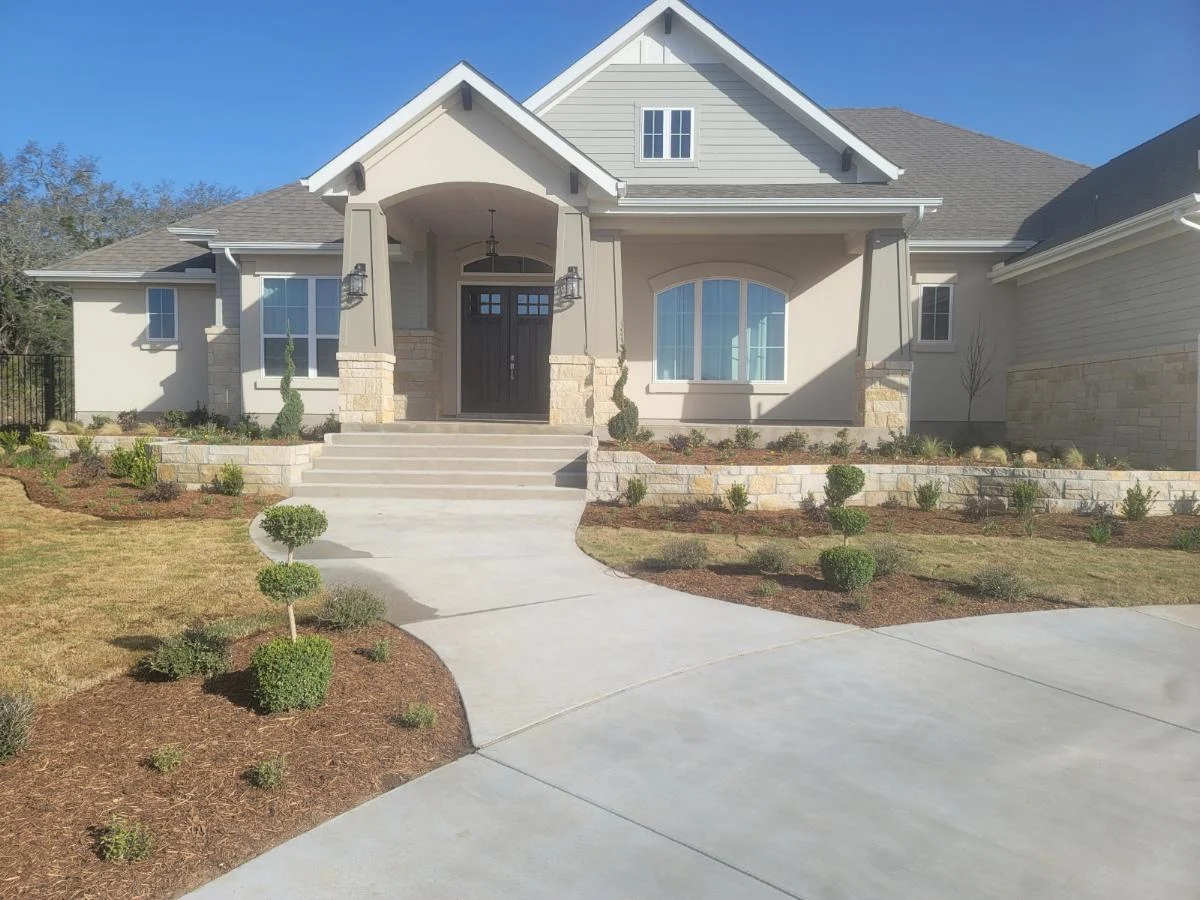
We match the method to the problem. Every erosion job starts with a site assessment of your property. We identify where the water is coming from, where the soil is going, and what needs to happen to stop both. Here are the methods we use across Austin:
For properties that need a full stabilization plan combining native plantings, terracing, drainage, and irrigation, we build that as part of our landscape design services.
The right method comes down to what’s causing the erosion and how far the damage has gone. A worn-down spot where the dog runs or foot traffic kills the turf may only need fresh ground cover, mulch, and a redirected downspout.
A bed that erodes every time it rains may need a French drain upstream to intercept the runoff before it reaches the bed.
Slopes are where things get layered. The steeper the grade and the heavier the runoff, the more methods you need working together. A steep slope might need a retaining wall at the base, regrading across the face, and a dry creek bed at the bottom to catch what flows down.
We assess the site and recommend the right combination during the free estimate.
You stop it by slowing the water, holding the soil, and establishing roots that lock everything in place long term.
On a moderate slope, native deep-root plantings combined with an erosion control blanket usually do the job. The blanket holds your soil while the roots take hold over one to two growing seasons. On a steeper slope, retaining walls or terracing hold the grade while riprap or a dry creek bed at the base catches what flows off.
The key is addressing the water first. If the runoff feeding the slope isn’t redirected, surface treatments will fail again.
If you’re seeing soil erosion on your property after storms, it won’t fix itself. Look for these signs:
More than one of these on the same property usually means the water source feeding the problem hasn’t been addressed. An inspection of your property identifies which symptoms connect to which water path.
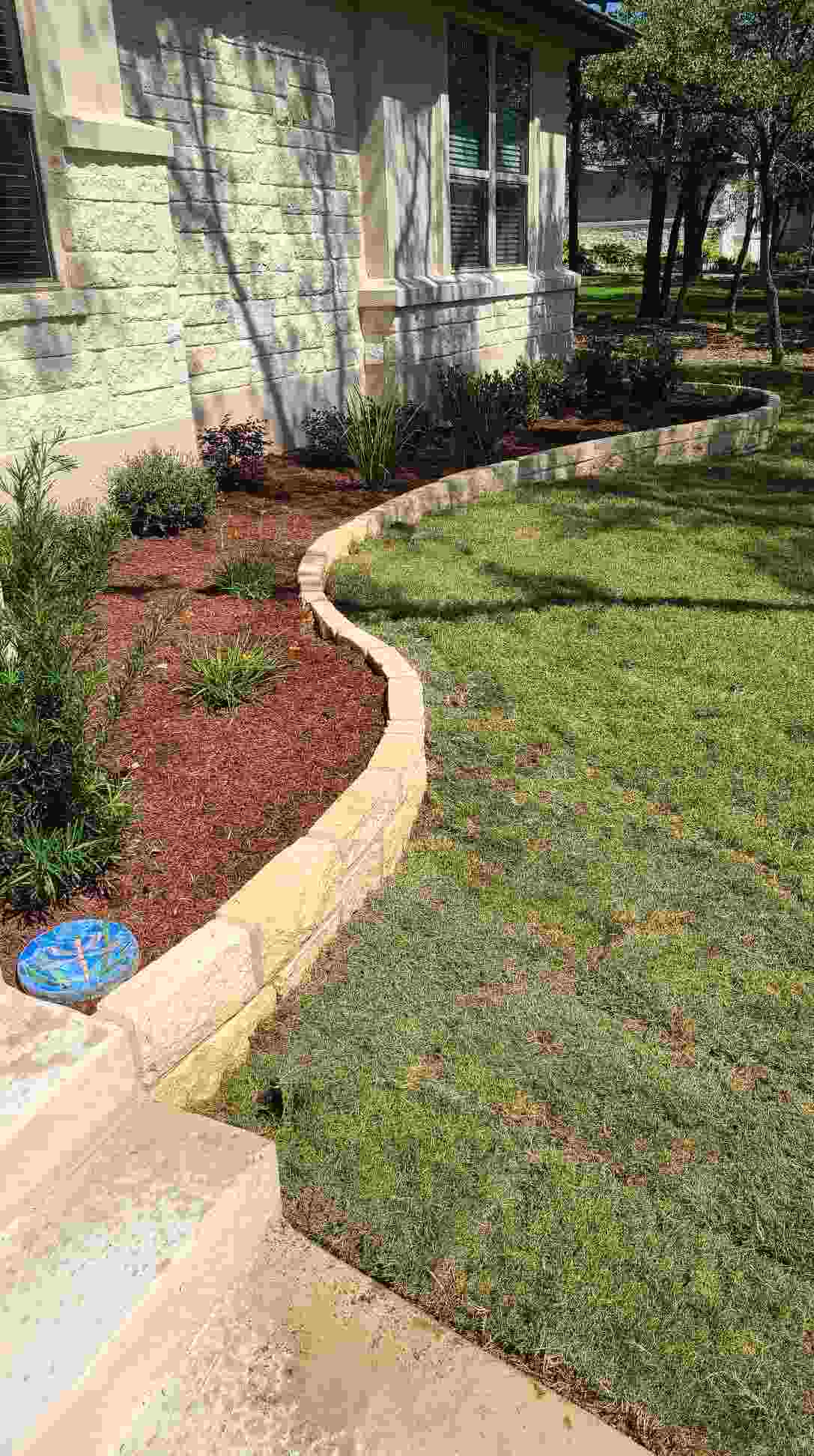
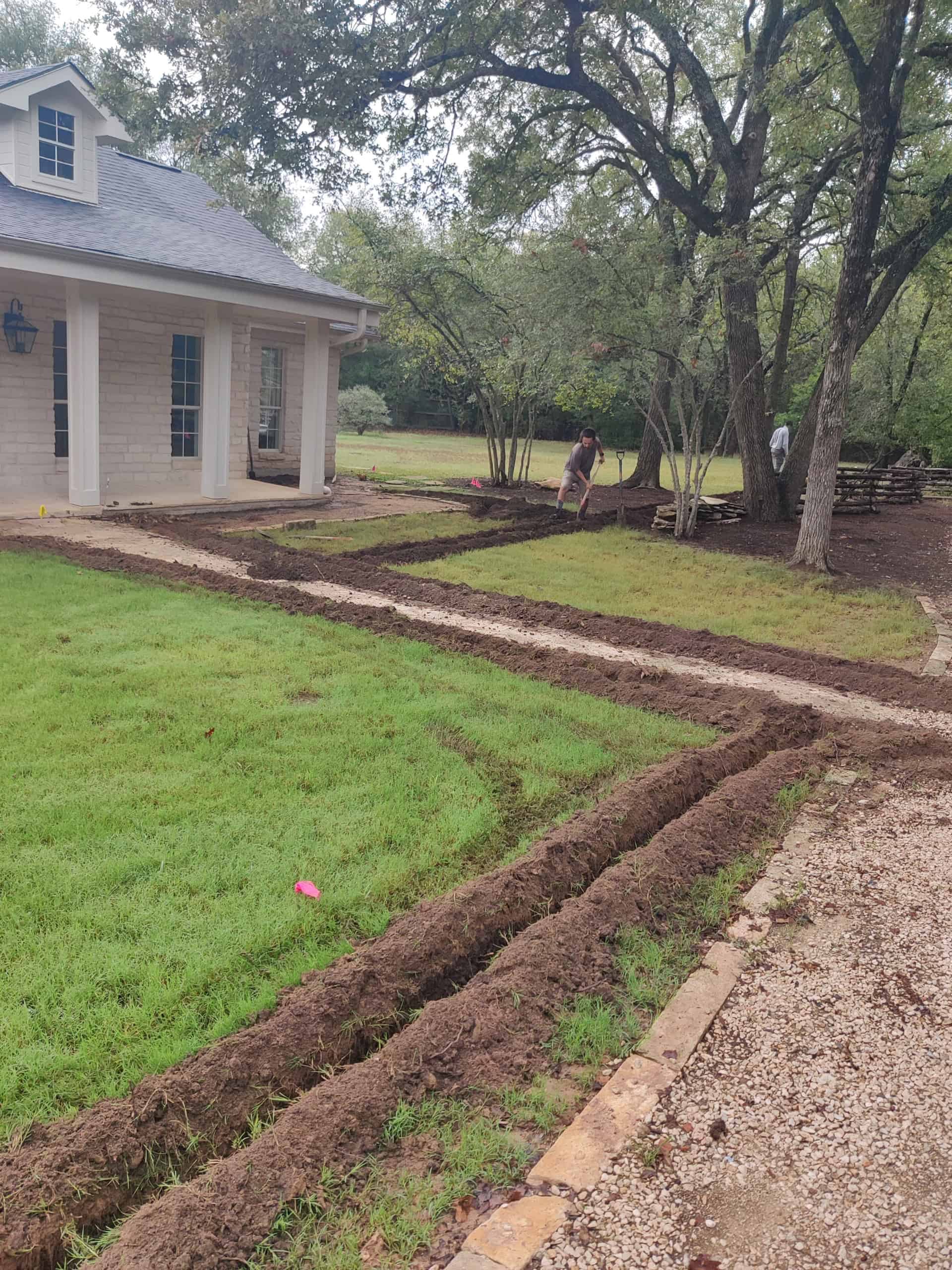
Austin sits at the junction of two soil types and one of the most flash-flood-prone corridors in the country.
East of the Balcones Escarpment, which roughly parallels MoPac through the city, the ground is deep Blackland Prairie clay. This soil’s extreme shrink-swell behavior makes it one of the most erosion-prone types in the state. It’s the dominant soil from I-35 east through Pflugerville, Hutto, and Manor.
West of the escarpment, thin Edwards Plateau soil sits over limestone. The Hill Country terrain is steeper, the soil is shallower, and water runs off fast because the rock underneath doesn’t absorb it. Neighborhoods along Barton Creek, Shoal Creek, and the Lake Austin corridor deal with slope erosion year-round.
Both sides share the same weather problem. Central Texas sits in Flash Flood Alley, where Gulf moisture collides with cool fronts along the escarpment and drops heavy rain in short, violent bursts.
When that rain lands on clay that’s already saturated or limestone that can’t absorb anything, the runoff has to go somewhere. Without erosion control in place, it takes your soil with it.
Blackland Prairie clay expands when it absorbs water and contracts when it dries. That shrink-swell cycle feeds erosion from both directions. It creates cracks and loose surface material that the next rain washes away.
It also pulls soil away from foundations, fence posts, and retaining walls, opening gaps that channel water into your beds, against your foundation, and under your walkways.
The cycle repeats with every wet-dry swing, and Austin gets plenty of both. A two-week drought followed by a four-inch storm is a normal spring pattern here. Properties east of MoPac and I-35 sit on the deepest Blackland clay in the metro and see the worst of it.
This is why erosion and drainage problems almost always show up together on the same lot. The soil moves because the water moved first.
No two erosion jobs cost the same, so we price based on what we see during the on-site assessment. What moves the number is the size of your yard, the slope, which methods the site needs, and how much drainage or structural work is involved.
Roughly from least to most involved:
Soil prep on Austin’s clay can add cost that homeowners don’t always expect, because the ground often needs amending or regrading before the actual erosion fix goes in. On sloped lots, access to your property and equipment logistics also affect the number.
Sprinkler & Landscape Medics provides an on-site assessment and a written price before any work begins. Call 512-710-7274 to schedule yours.
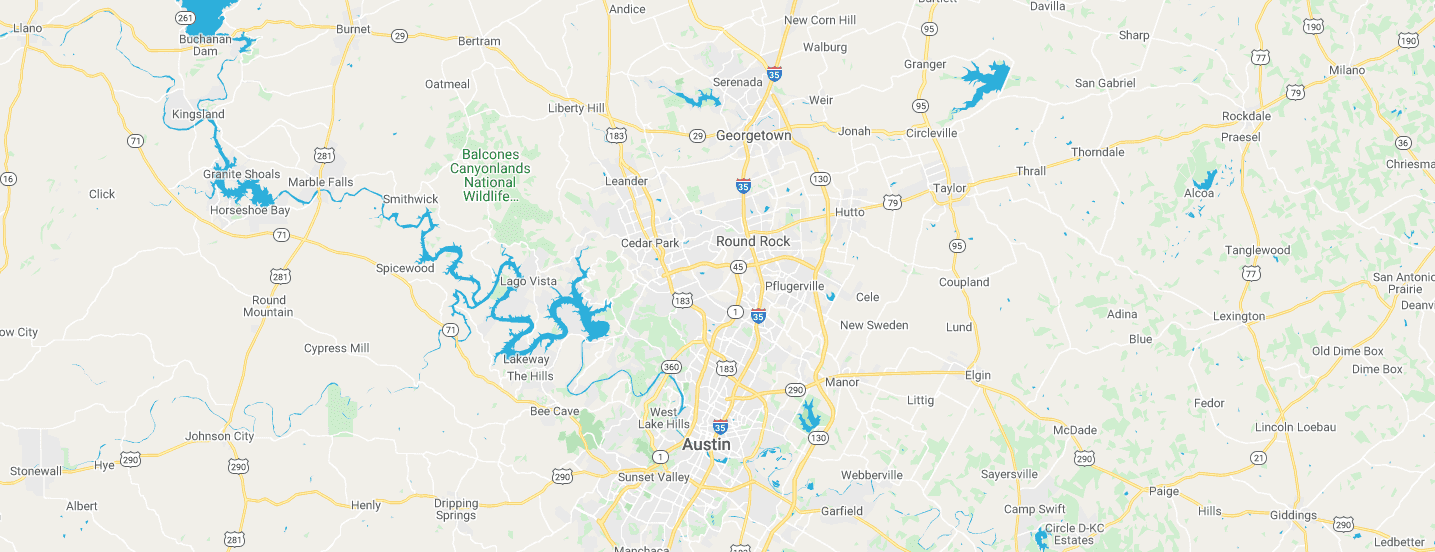
We provide erosion control within a 50-mile radius of Austin, covering Travis, Williamson, and Hays counties. That includes Cedar Park, Georgetown, Leander, Liberty Hill, Round Rock, Pflugerville, Hutto, Manor, and Taylor to the north and east.
To the west and south, we serve Rollingwood, Tarrytown, West Lake Hills, Steiner Ranch, Barton Creek, Bee Cave, and Jarrell. Call 512-710-7274 to confirm availability for your property.
Most residential erosion control projects don’t require a separate permit. Projects that involve retaining walls above a certain height, significant regrading, or work within a floodplain may need review from the City of Austin Watershed Protection Department.
Commercial and construction-site erosion work carries additional requirements under TCEQ and the City of Austin Land Development Code, including stormwater pollution prevention plans. We advise on permit requirements for both residential and commercial projects before any work begins.
Yes, and in most cases the two share the same root cause: water that isn’t moving off the property the way it should. Subsurface drainage and regrading address both by intercepting the flow before it can pool or wash soil away.
As an NDS-certified drainage contractor, we design the erosion fix and the drainage fix as one project. Separating the two usually means paying twice for work that should have been coordinated from the start.
Structural solutions like retaining walls and French drains last 20 years or more with minimal upkeep. Native plantings and sod are long-term once roots establish, usually within one to two growing seasons.
Erosion blankets and mulch socks are temporary by design. They hold the soil while vegetation takes root, then degrade over 12 to 24 months. We build a maintenance timeline into every project plan so you know what to expect and when.
Soil doesn’t stop moving on its own. The longer erosion goes untreated, the more it costs to fix and the more damage it does to your foundation, your landscaping, and your drainage. Sprinkler & Landscape Medics diagnoses the water problem behind the erosion and fixes both with one licensed crew.
Call 512-710-7274 or visit our contact page to schedule your free estimate. We serve Austin, Cedar Park, Georgetown, Round Rock, and surrounding Central Texas communities. Written pricing up front.

Irrigation License # LI0031346