Mulching Austin, TX
Learn More About Our Complete Sprinkler Services



When you need mulch delivered and installed the right way, we handle the full job across Austin and Central Texas. We prepare your beds, install mulch at the correct depth, and coordinate everything around your existing irrigation and drainage. That matters here, where 100°F+ summers, once-a-week watering restrictions, and clay-heavy soil that cracks when it dries all put extra pressure on your beds and plantings. Call us at 512-710-7274 for a free estimate.
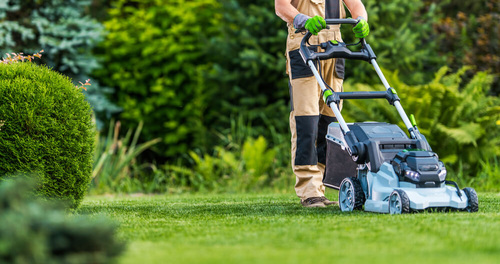

In Austin, mulch is a practical tool for keeping your plants healthy, your water usage down, and your soil protected.
Here’s what a properly mulched landscape does for you:
We install your mulch to help your landscape hold moisture longer between designated watering days by slowing evaporation at the soil surface. Your root zones stay shielded from direct sun, which cuts heat stress and water demand on your plants. A 2-to-3-inch mulch layer supports compliance with Austin Water restrictions by helping every irrigation cycle stretch further.
Yes. As organic mulch breaks down, it feeds soil microbes and returns essential nutrients to your soil. Over time, that process improves your soil structure, helps your beds absorb water more effectively, and supports stronger root growth. In Central Texas, where most beds sit on dense, nutrient-poor clay, mulch is one of the simplest tools you have for building better soil season after season. Texas A&M AgriLife Extension recommends organic mulching as a core landscape practice.
When you hire us, we handle bed prep, edging, mulch installation, and irrigation coordination in a single visit. As a veteran-owned Sprinkler & Landscaping Company Austin homeowners trust, with licensed irrigation and drainage expertise, every mulch job we do accounts for how your beds, your sprinklers, and your drainage work together. If you’re looking for a landscape contractor Austin homeowners can trust to manage both aesthetics and long-term water management, our team brings those disciplines together under one roof.
Here’s what backs that up:
Mulch changes how water moves through your beds. In Austin’s drought-prone climate, that makes irrigation knowledge a requirement for any mulch job. We install mulch without blocking your sprinkler heads, burying your drip emitters, or disrupting your pop-up clearance. Your irrigation system performs the same way after mulching as it did before. We also adjust your watering schedule after installation when needed.
Ready to get your beds in shape? Call Sprinkler & Landscape Medics at 512-710-7274 or request your free estimate online.

The best mulch for your Austin property depends on your property. Here’s how the most common options compare:
| Mulch Type | Best Use in Austin | Key Tradeoff |
| Native Hardwood | All-purpose beds, flower beds, tree rings | Breaks down faster, so you’ll refresh more often, but your soil gets more nutrients in return |
| Cedar (Juniperus ashei) | Hot, dry beds and areas where insects are a concern | Decomposes slowly and repels some pests, but returns fewer nutrients to your soil |
| Colored/Dyed Mulch | Front beds and high-visibility areas where appearance is the priority | Holds color longer, but dyes should be non-toxic and mulch should not come from recycled construction wood |
| Pine Bark | Acid-loving plants like azaleas, gardenias, and blueberries | Holds moisture well, but can float and shift on your sloped beds during heavy rain |
| Rock/Gravel | Xeriscaped areas, pathways, and beds with minimal plant material | Won’t break down or feed your soil. Retains heat, which can stress your plants in full-sun beds |
| Pecan Shell | Decorative beds and garden paths | Attractive and slow to break down, but harder to source and more expensive in Austin |
Neither one is universally better. Cedar, sourced locally from Juniperus ashei, breaks down more slowly and offers some natural insect-repellent properties. That makes it a strong pick for dry beds, tree rings, and low-maintenance areas. Hardwood mulch decomposes faster and returns more organic matter to your soil. You’ll refresh it more often, but your beds benefit from the added nutrients. For long-lasting coverage with less upkeep, go with cedar. Hardwood is the better fit when soil enrichment is your main goal and you don’t mind refreshing more often.
Not sure which mulch is right for your beds? We’ll help you choose during your free on-site estimate. Call 512-710-7274.
When you mulch matters almost as much as what you mulch with in Central Texas.
| Timing Question | Austin Answer |
| Best spring window | Mid-March through April, after your last frost risk and before summer heat hits |
| Best fall window | Late October through November, to protect your roots heading into winter |
| How often to refresh organic mulch | Once or twice a year, depending on your bed exposure and mulch type |
| Cedar top-off cadence | Every 12 to 18 months due to slower decomposition |
| Should I remove old mulch first? | Top off to restore depth. Old mulch is still adding nutrients to your soil |
| Recommended depth | 2 to 3 inches for beds and tree rings |
Two to three inches is the recommended depth for most Central Texas beds and tree rings. Going deeper than that can trap too much moisture against stems and roots, which invites fungal issues and pest problems. Keep mulch pulled back several inches from tree trunks and plant stems. Piling mulch up against the base of a tree, sometimes called a mulch volcano, traps moisture against the bark. That promotes rot, fungal growth, and pest activity, and it can seriously damage or kill an otherwise healthy tree.


