
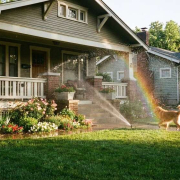
sprinkler repair FAQ

FAQ: Drainage, sprinkler installation and repairs, and landscaping services explained

Whether your sprinkler system has a zone that stopped responding, your yard holds water for days after rain, or you need sod and landscaping work done alongside an irrigation install, the questions below cover what Austin homeowners ask most before calling for service.

Sprinkler Medics of Austin is a TCEQ-licensed, veteran-owned irrigation and landscaping company serving Austin, Round Rock, Cedar Park, Georgetown, Pflugerville, Hutto, Leander, Liberty Hill, Manor, Taylor, and Jarrell. We offer free estimates on installation and drainage projects, and every repair visit starts with a full diagnosis before any work begins.

If you do not see your question answered here, reach out online and we will get you a straight answer before you schedule.

Fast Answers: The Most Common Irrigation, Drainage, and Landscaping Questions

What Services Do Sprinkler Medics Provide in Austin and Nearby Cities?

Sprinkler Medics provides sprinkler repair, sprinkler installation, drainage solutions, landscaping services, and sprinkler winterization across Austin and the surrounding Central Texas communities of Round Rock, Cedar Park, Georgetown, Pflugerville, Hutto, Leander, Liberty Hill, Manor, Taylor, and Jarrell. As a veteran-owned company, Sprinkler Medics brings the same discipline and attention to detail to every service call that we carried in service, and free estimates are available for installation and drainage projects.

When Should I Call for Service Instead of Trying a DIY Fix?

You can replace a single exposed head or adjust an arc direction yourself. Valve failures, persistent leaks, zone failures, controller wiring, and drainage installation all need a licensed pro. In Central Texas, clay soil movement and root intrusion near valve boxes can turn what looks like a simple leak into something that needs the right tools and experience to diagnose correctly. Texas regulates landscape irrigation under TCEQ’s licensing program. For valve replacement, wiring, or mainline work, hire a TCEQ-licensed irrigator. You can verify their credentials through TCEQ before you hire.

Sprinkler Repairs: What Causes Problems and What a Repair Visit Covers

Why Is My Sprinkler Head Leaking or Spraying the Sidewalk?

A sprinkler head that leaks at the base often has a worn or cracked body caused by soil movement or freeze-thaw cycles. A head spraying the sidewalk typically has an incorrect arc setting, a damaged nozzle, or zone pressure running higher than the head is rated for. Central Texas clay soil shifts seasonally and can tilt or crack head bodies over time, and even brief cold snaps can crack plastic components in systems that were not properly winterized. Overspray onto driveways and sidewalks wastes water and runs counter to Austin Water’s efficiency expectations. Texas A&M AgriLife Extension identifies overspray as one of the primary sources of water waste in Central Texas yards. Adjusting arc settings and nozzle selection are among the simplest repairs your technician can make during a service visit.

What Are the Most Common Reasons a Zone Stops Working?

A zone that will not activate at all points toward a failed solenoid, a wiring fault, or a valve stuck closed. A zone that will not shut off usually indicates a valve stuck open, a solenoid that is not releasing, or debris lodged in the valve seat. Controller programming loss can affect multiple zones at once. Upstream pressure loss from a mainline leak is another multi-zone cause, and it requires a different diagnostic path than a single-zone failure. Root intrusion near valve boxes and clay soil movement are local conditions in Travis County and Williamson County that accelerate wiring wear and valve seat deterioration. Repairs at this level fall under TCEQ-regulated irrigation work in Texas.

Here is what a Sprinkler Medics repair visit typically covers:

  • Initial diagnosis: walk the yard, run each zone, and identify symptoms including dry spots, overspray, standing water, and non-activating zones
  • Inspect heads and nozzles for damage, wear, incorrect arc, and overspray onto hardscape
  • Check water pressure at the system and zone level to identify pressure-related causes of head failure or uneven coverage
  • Diagnose zone failures by testing solenoids, wiring, and valve operation for zones that will not activate or will not shut off
  • Make repairs including replacing heads, nozzles, broken risers, cracked pipe, or valve components as needed
  • Test each zone after repair to confirm coverage, pressure, and run time
  • Walk you through findings, repairs made, and any recommended follow-up

Here is how to spot a hidden leak before calling for service:

  • Soggy spots or sinking soil when the system has not run recently: may indicate a mainline or lateral line leak beneath the surface
  • A sudden unexplained increase in your water bill: a pressurized mainline leak can lose significant water volume even when no zones are active
  • Water running from the valve box or pooling near it: valve box saturation when the system is off often points to a valve that is not fully seating
  • Wet soil along a consistent path between heads: lateral line cracks often appear as a linear soft spot connecting two or more heads in a zone
  • Low pressure across multiple zones: a leak upstream of the manifold can reduce pressure throughout the system, not just in the affected zone

Before a technician arrives, have the following ready:

  • Property address and best access point for the technician
  • Controller location and whether you have access to the programming
  • Description of symptoms: which zones are affected, what the system is or is not doing, and when the problem first appeared
  • Approximate date the system was last serviced or inspected, if known
  • Photos of any visible damage, soggy areas, or head locations help with pre-visit diagnosis

Sprinkler Installation: What to Expect From Design to Final Walkthrough

How Long Does It Take to Install a Sprinkler System in Austin?

A typical residential sprinkler installation in Austin commonly takes one to two days, depending on yard size, zone count, and site conditions. Central Texas yards with caliche rock layers or dense clay soil can extend the trenching phase, and tree root density in established Austin neighborhoods is another local condition that affects how quickly pipe can be run. Check with your installer whether the City of Austin requires permits or inspections before you schedule, because that affects your timeline.

What Should Be Included in an Installation Quote?

A complete installation quote should cover zone count and layout, head types and placement, controller type, backflow prevention, trenching and surface restoration, a test run, and a final walkthrough. If a quote leaves any of these out, ask why before you sign. Backflow prevention may be required depending on your water provider and system configuration. Confirm whether it is included in the quote and whether it has been reviewed against City of Austin water protection requirements. Before you sign, check that your installer holds a current TCEQ landscape irrigation license. Texas regulates this work and licensing is not optional.

Here is what a typical residential sprinkler installation involves from the first site visit through the final walkthrough:

  • Site review: walk the irrigated areas, assess slope, soil type, water pressure at the source, and any existing system or landscaping to work around
  • Zone planning: divide your yard into zones based on plant type, sun exposure, and head coverage requirements; Central Texas clay and caliche soil conditions are factored into head selection and spacing
  • Materials selection: choose head types including rotors, spray heads, rotary nozzles, and drip emitters, along with controller, backflow prevention if required, and pipe sizing based on flow rate and zone count
  • Trenching and installation: trench to the required line depth, install mainline and lateral lines, set heads at grade, connect to the controller and water source
  • Controller setup: program zones, run times, and scheduling based on plant type, season, and your Austin Water watering-day assignment
  • Test run: run each zone, check coverage, confirm pressure, and adjust heads and arcs as needed
  • Walkthrough: walk you through zone-by-zone coverage, controller operation, seasonal adjustment guidance, and winterization planning

Can I add a zone to an existing system later? Yes, zones can be added to most existing systems depending on available water pressure and flow rate. A site assessment determines feasibility.

Can drip irrigation be added for flower beds or trees? Drip lines and emitters can be added to existing zones or run as dedicated drip zones. Drip is often the more water-efficient option for beds and plantings in Central Texas.

What is a smart controller and is it worth adding? A smart controller adjusts your run times automatically based on weather and soil moisture. Most installed systems can accept one.

When should I plan for winterization? Schedule winterization before the first freeze. In Central Texas, that window is typically late November through December, and your technician can walk you through the process during the installation walkthrough.

Drainage Services: When You Need a Solution and What Options Fit

Yard drainage problems in Austin often develop gradually: a low spot that holds water a little longer each year, a bed that keeps washing out after heavy rain, or a foundation corner that stays wet long after storms pass.

What Are the Signs My Yard Needs Drainage Work?

Standing water that lingers more than 24 to 48 hours after rain, spongy or saturated turf, washed-out mulch or erosion channels, and water pooling against your foundation are the most common signs worth calling about. Central Texas clay soil percolates slowly, so some surface water immediately after a heavy storm is normal. The signal worth investigating is water that does not resolve within a day or two, or that appears in the same spots repeatedly after every significant rain event. If soggy areas appear after irrigation cycles as well as after rain, tell us when you call, because it changes how we diagnose the problem.

How Does a French Drain Work and When Is It a Good Fit?

A French drain is a trench filled with gravel and perforated pipe that collects subsurface water moving through the soil and redirects it to a designated outlet, keeping water from saturating your turf, beds, or areas near the foundation. A French drain works best when the problem is broad subsurface saturation and you have a clear, adequately sloped path to discharge the collected water. In Central Texas clay-heavy soils, filter fabric selection is critical because the wrong fabric allows clay particles to migrate into the gravel over time and reduce drainage capacity. Sprinkler Medics installs French drains and drainage solutions across Greater Austin and can assess whether your site conditions make a French drain the right call. Because Sprinkler Medics handles both irrigation and drainage, a single evaluation can identify whether the fix is a schedule adjustment, a drainage installation, or a combination of the two. That means you won’t install a drainage system to solve a problem that was actually coming from your irrigation schedule.

Here is what to note before your drainage evaluation:

  • Walk your yard within one to two hours of a significant rain event and note where water is pooling, sheeting, or not moving
  • Check your downspout discharge points and note whether roof runoff is spreading away from your foundation or concentrating against it
  • Identify any visible erosion channels, displaced mulch, or areas where soil has washed toward a low point
  • Note how long standing water typically lingers; areas that resolve within 24 hours may be normal for Central Texas clay, but areas that hold water for 48 hours or longer are worth investigating
  • Check whether soggy spots also appear after irrigation cycles and, if so, note which zones run before symptoms appear
  • Note the general slope direction of your yard and whether any areas appear to slope toward your house or toward a neighboring lot
Symptom Likely Cause Next Step
Standing water lingering 48+ hours after rain Low spot with poor slope or clay soil saturation Schedule drainage evaluation; note how long water sits and where it enters
Soggy turf after irrigation cycle Overwatering or irrigation schedule running more frequently than Austin Water assignment allows Check your Austin Water watering-day assignment; adjust run times before assuming drainage installation is needed
Erosion channels or washed-out mulch Surface water moving too fast and concentrating in a specific path Evaluate slope and consider surface drain, swale, or regrading
Water pooling near the foundation Yard slope directing runoff toward house, or downspout discharging at foundation Check downspout extensions first; schedule evaluation if slope is the cause
Mosquito activity in persistent puddles Standing water not resolving between rain events Drainage evaluation: persistent pooling is the primary cause of yard mosquito breeding in Central Texas
Wet soil along a line between heads Lateral line leak from the irrigation system Irrigation repair visit: this is a system leak, not a drainage problem

FAQs About Drainage, Sprinkler Installation and Repairs, and Landscaping

Sprinkler Repairs

Are irrigation and sprinkler systems worth it? For most Austin yards, a properly designed and maintained system pays for itself in consistency and water savings. It applies water more efficiently than hand watering or hose-end sprinklers, and in Central Texas heat and drought, consistent coverage keeps your lawn from burning out every summer. Systems with smart controllers and water-efficient heads can reduce your outdoor water use significantly, and Austin Water’s tiered pricing structure means a system running on schedule costs less to operate than one oversaturating your yard.

How do you fix a hole in an irrigation or sprinkler line? Your technician cuts out the damaged section and inserts a repair coupler, which restores the line without replacing the full run. On mainline pipe, the process is similar, but your technician needs to confirm system pressure is fully off before cutting in. In Central Texas, clay soil movement and root intrusion are the most common causes of lateral line damage in established yards. Your technician can often identify the full extent of the damage during the same visit.

How often should an irrigation system be inspected or tuned up? Getting your system inspected once or twice a year is enough for most Austin yards, with a tune-up in spring before the watering season ramps up and a winterization check in late fall before temperatures drop. Regular inspections catch small problems before they turn into larger repairs or push your water bill up.

Installations

Do I need backflow protection for an irrigation system? Yes. Texas requires a backflow prevention assembly on all landscape irrigation systems to protect the public water supply from contamination through cross-connection, which is what happens when irrigation water can flow back into your drinking water lines. Both Austin Water and TCEQ have requirements in this area under 30 TAC Chapter 344. Your water provider and licensed irrigator determine which assembly your system requires.

How do I find my sprinkler valve box? Valve boxes are typically buried near the water source connection, along the perimeter of the house, or at a central point in the yard where the main irrigation line branches out to each zone. If you cannot locate them visually, your technician can use an electronic valve locator to find buried boxes even when the lids have been covered by soil or turf. In Central Texas, clay soil settling and turf growth can obscure valve box lids completely within a few years of installation, particularly in established neighborhoods.

How much does sprinkler repair or installation typically cost in Austin? Repair costs vary depending on the issue: head replacements and arc adjustments tend to fall at the lower end, while valve replacements, wiring repairs, and mainline leaks run higher depending on location and access. New system installation in the Austin area typically ranges from $2,500 to $6,500 or more, depending on zone count, yard size, equipment selection, and site conditions.

Drainage

How long does standing water have to sit before it becomes a problem? As a general rule, standing water that has not resolved within 24 to 48 hours after rain is worth investigating. Central Texas clay soil percolates slowly by nature, so some surface water immediately after a heavy storm is normal. Water that consistently lingers beyond that window points to a slope, capacity, or soil saturation problem. If standing water also appears after irrigation cycles, check your Austin Water watering-day assignment before scheduling a drainage evaluation, since a scheduling adjustment is a simpler and less expensive fix when that turns out to be the root cause.

Can a French drain solve foundation pooling? A French drain can help when the cause is subsurface water migrating toward your foundation through the soil. If the cause is surface runoff from your yard slope or a downspout discharging too close to your house, a catch basin, regrading, or a downspout extension may be more targeted. Only an on-site evaluation can tell you which solution fits, because foundation pooling usually has more than one cause. Sprinkler Medics offers drainage evaluations across Greater Austin and can assess whether a French drain is the right solution for your yard.

How do I reduce runoff in Austin clay soil? Rotary nozzles are one of the most practical upgrades for Austin yards where runoff is a persistent problem, because their slower application rate gives clay soil more time to absorb water between cycles. Pair rotary nozzles with a cycle-and-soak schedule: run each zone in two or three short intervals with rest time in between to reduce puddling on slopes or compacted areas. Austin Water’s conservation resources include a runtime calculator that supports cycle-and-soak scheduling as a recommended practice for Central Texas yards. Your technician can adjust zone run times during a routine service visit.

Landscaping

What landscaping services does Sprinkler Medics offer? Sprinkler Medics offers a full range of landscaping services across Greater Austin including sod installation, mulching, landscape design and installation, bamboo and specialty plantings. As a veteran-owned company serving Travis County and Williamson County, Sprinkler Medics brings the same reliability to landscaping work that you rely on for irrigation and drainage service.

Can landscaping work be bundled with irrigation or drainage work? Yes, and bundling typically reduces overall project cost and coordination effort. When landscaping and irrigation installation happen at the same time, trenching and restoration costs are lower because the ground is already being disturbed for grading or planting work, and there is no separate mobilization charge for the irrigation crew. The same applies to drainage and landscaping combinations, where regrading, sod installation, and French drain installation often work more efficiently as a single project.

Winterization

When should I winterize my sprinkler system in Central Texas? Schedule winterization before the first freeze. In Central Texas, the practical window for most Austin-area yards runs from late November through December. Temperatures in Travis County and Williamson County can drop below freezing with limited advance notice during that period, and a system you skip winterization on is vulnerable to cracked pipe, damaged heads, and broken risers that cost significantly more to fix in spring. Don’t wait for a freeze forecast. Schedule early in the window.

What happens if I skip winterization before a freeze? Water left in your lines and heads expands when it freezes and cracks plastic components. Spray heads, risers, and shallow lateral lines are the most vulnerable. In Central Texas, even a brief hard freeze of a few hours is enough to cause damage in an unprotected system, and the repair cost after a freeze event typically runs significantly higher than the cost of a preventive winterization service. If your backflow prevention assembly is installed above ground, it’s especially vulnerable to freezing air temperatures.

About Sprinkler Medics

Do you offer free quotes for installations and larger projects? Yes, Sprinkler Medics offers free estimates for sprinkler installation and larger drainage and landscaping projects. For a repair visit, your technician diagnoses on-site and walks you through findings before any work begins. For installation and drainage evaluations, the free estimate includes a walkthrough and a written scope before you sign anything.

What areas around Austin do you serve? Sprinkler Medics serves Austin and surrounding communities including Round Rock, Cedar Park, Georgetown, Pflugerville, Hutto, Leander, Liberty Hill, Manor, Taylor, and Jarrell.

Call Sprinkler Medics of Austin for Service, Installation, or Drainage

Whether you are dealing with a zone that stopped responding, standing water that lingers after every storm, or a yard that needs sod and irrigation work done at the same time, Sprinkler Medics handles it all under one roof. For Austin homeowners, that means one call and one crew familiar with Central Texas soil, Austin Water’s watering schedule, and the conditions that cause most irrigation and drainage problems in this area.

Sprinkler Medics of Austin is a TCEQ-licensed, veteran-owned company serving Austin and its surrounding communities. Ready for reliable service from a veteran-owned team you can trust? Reach out to Sprinkler Medics of Austin today for a free estimate.
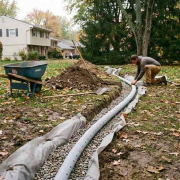
drainage service

What is drainage service and does your lawn need it?

Standing water that lingers in your yard after rain is more than an inconvenience. In Austin, where clay-heavy soil absorbs water slowly and summer storms can drop several inches in an hour, persistent pooling puts your foundation at risk, creates mosquito breeding conditions, and can cause erosion damage that gets worse with every rain event.

Drainage problems in Central Texas yards come from a few common sources: poor lot grading, soil that has settled since the home was built, runoff concentrating from adjacent hardscape or neighboring properties, and in some cases, an irrigation schedule that is overwatering the lawn. Before investing in a drainage system, it helps to understand what type of problem you are dealing with and which solution actually fits your site.

At Sprinkler Medics of Austin, we install French drains, catch basins, and drainage solutions across Greater Austin, Cedar Park, Round Rock, Georgetown, Pflugerville, and surrounding communities. We are a licensed, insured, veteran-owned company that offers free estimates and designs every drainage plan around your specific yard conditions and local stormwater requirements.

What Drainage Service Is and What It Typically Includes

A good contractor starts with a site evaluation before proposing any installation, so the solution is designed for your specific site. In Austin and across Central Texas, clay-heavy soil and intense summer rain events are the conditions that most often require drainage work. The City of Austin Watershed Protection Department provides guidance on managing residential runoff. Make sure your drainage plan accounts for local stormwater requirements from the start.

What Is the Difference Between Surface Drainage and Subsurface Drainage?

Surface drainage moves water across the ground to a designated outlet using slope, channels, swales, or surface drains. Subsurface drainage collects water below ground through perforated pipe and gravel systems, like a French drain, and carries it away before it can saturate the soil above. Clay soil holds water rather than letting it percolate downward. That means subsurface solutions are often necessary even when the only visible symptom is surface pooling. Your yard may need a combination of both.

Signs Your Lawn May Need Drainage Service

The most recognizable signs include standing water, spongy turf, erosion channels, foundation pooling, and washed-out mulch. Central Texas clay soil holds water significantly longer than sandy or loam soils, so symptoms that appear minor after a light rain can signal a larger problem once a heavier storm hits. If you’re in a newer Austin neighborhood, your lot may be especially prone to this. Fill soil settles over time and creates low spots that weren’t there when your home was graded. Drainage problems can also show up in your planting beds, along fence lines, and near your downspout discharge points, so walk the full perimeter of your yard when you check after rain.

How Long Should Water Stand in a Yard Before It Becomes a Problem?

As a general rule, standing water that hasn’t cleared within 24 to 48 hours after rain is worth investigating. Clay soils percolate slowly by nature, so some surface water immediately after a heavy Central Texas storm is expected. The question is whether it clears within 24 to 48 hours. If you see standing water after a watering cycle rather than a rain event, your irrigation schedule may be the problem, not your drainage. Austin Water assigns watering days based on your street address and limits automatic irrigation to one day per week. If you’re running your system more frequently than your schedule allows, you may be oversaturating soil that would drain fine under a correct schedule.

Here are the most common signs to watch for:

  • Standing water that lingers more than 24 to 48 hours after rain: water that clears within a day is often normal for clay soil; water that persists points to a slope or capacity problem
  • Spongy or saturated turf: soil that feels soft and wet underfoot long after rain suggests poor percolation or a low spot collecting runoff from surrounding areas
  • Erosion channels or washed-out mulch: visible channels in soil or displaced mulch after rain indicate surface water is moving too fast and concentrating in specific paths
  • Water pooling near your foundation: water pooling against your foundation needs attention sooner than most drainage problems, as persistent moisture can cause long-term structural issues
  • Mosquito activity in standing water: puddles in Central Texas heat become mosquito breeding grounds fast
  • Washed-out beds or soil displacement along fence lines: these often indicate runoff from adjacent hardscape or neighboring lots is concentrating in your yard

Common Drainage Solutions for Austin Yards

The right solution depends on where water is entering your yard, where it needs to go, and what your soil and slope conditions allow. French drains, catch basins, and regrading each solve a different problem, and many Austin yards need more than one.

What Is a French Drain and How Does It Work?

A French drain uses a gravel-filled trench and perforated pipe to collect subsurface water and redirect it away before it saturates your soil. Two things determine whether a French drain will work: adequate slope for water to move through the pipe, and a clear outlet path for water to exit. You need more careful filter fabric selection and outlet placement here than you would in areas with sandier soil. An improperly designed French drain in clay can become saturated and stop working. Work with a contractor who knows Central Texas soil. Sprinkler Medics installs French drains across Greater Austin and can assess whether your yard’s slope and outlet options make a French drain the right call.

What Is a Catch Basin and When Is It the Right Choice?

A catch basin is an underground collection box with a grated surface inlet. When water pools on the surface, it flows through the grate into the box, and an outlet pipe carries it away. A catch basin is typically the better choice when water is pooling on the surface at a patio edge, along a driveway, or in a low spot in the turf. It targets concentrated surface water more precisely than a French drain, which is designed for subsurface saturation. In Austin yards, catch basins are commonly installed where runoff from driveways, patios, or roof downspouts collects in a low spot. Your contractor needs to plan the outlet carefully because City of Austin stormwater rules govern where that water can go.

When Does Regrading Solve Drainage Issues Better Than Drains?

When water is pooling because your yard slopes toward your house or toward a low spot, correcting the grade may redirect water away without any underground installation. Many Austin-area lots were graded correctly when they were built but have settled or eroded since, particularly on lots built over compacted fill-soil conditions. Only an on-site evaluation can tell you whether regrading is enough or whether you also need a drain, because clay-soil compaction or subsurface saturation may also be a factor. Sprinkler Medics offers landscaping services alongside drainage work, so regrading and drainage installation can be handled in a single project.

Solution Best Use Case Strength Common Failure Mode Austin Consideration
French drain Subsurface water saturation, soggy turf Moves water below ground over a wide area Clogs if filter fabric is wrong for clay soil; fails without adequate slope Filter fabric selection and outlet placement are critical in clay-heavy soils
Catch basin Surface pooling from runoff, low spots near hardscape Captures concentrated surface water efficiently Outlet pipe undersized or poorly sloped; grate clogs with debris Common near driveways, patios, and downspout discharge points in Austin neighborhoods
Regrading Water pooling because yard slopes toward house or a low spot May eliminate need for a drain entirely Temporary if underlying soil compaction or fill settlement continues Common first step in new-build Austin lots where original grade has settled
Channel / surface drain Water sheeting across hardscape or paved areas Captures fast-moving surface water along a linear path Improper slope; outlet connects to street without city approval Outlet planning must account for City of Austin stormwater rules

What to Expect From a Drainage Evaluation and Installation

How Do Pros Diagnose Drainage Problems in Central Texas Clay Soil?

In clay-heavy soils like those common across Travis County and Williamson County, water moves laterally across the soil surface rather than percolating straight down. That means drain placement needs to account for where water is traveling, not just where it is pooling. A professional site evaluation typically involves observing where water enters, pools, and exits; assessing existing slope and grade; identifying outlet paths; and noting soil type, compaction, and any fill soil that may be contributing to the problem. Sprinkler Medics has worked across Austin-area neighborhoods long enough to recognize the patterns that show up specifically in this region’s soil and topography.

How Do Watering Rules Affect Drainage and Irrigation Scheduling in Austin?

Before scheduling a drainage evaluation, check whether standing water or soggy turf appears after irrigation cycles as well as after rain. Overwatering can produce symptoms that look just like a drainage problem. Austin Water assigns watering days based on your street address. Automatic irrigation is typically limited to one day per week. If you’re running your system more frequently than your schedule allows, you may be oversaturating soil that would drain normally under a correct schedule. A professional evaluation can tell you whether the problem is drainage or irrigation scheduling. Correcting the schedule is a much simpler and less expensive fix than installing a drainage system.

Who to Hire for Drainage Work in Austin

For drainage work connected to an irrigation system, look for a contractor licensed under TCEQ’s landscape irrigation program. Texas regulates irrigation work, and you can verify licensing through the TCEQ website. Ask your contractor to explain the outlet plan before work begins. A drainage system without a clearly identified, code-compliant outlet path is a common source of failed installations. Ask your contractor to document the drainage plan, including slope grades and outlet location, before installation starts.

Before Your Drainage Evaluation

  • Walk your yard within one to two hours of a significant rain event and note where water is pooling or sheeting
  • Check your downspout discharge points and note whether water from the roof is spreading away from your foundation or pooling against it
  • Identify any visible erosion channels or areas where soil or mulch has been displaced
  • Note whether water is standing on turf, in beds, near hardscape edges, or in multiple locations
  • Return 24 to 48 hours later and note which areas have cleared and which still show standing water or saturated soil
  • Check whether soggy areas correspond to irrigation zones and note whether symptoms appear after watering cycles rather than rain

FAQs About Yard Drainage

Do French Drains Work in Austin Clay Soil?

Yes, French drains can work effectively in Austin clay soil, but design matters more here than in areas with sandier or loamier soil. Two factors determine whether the system will hold up over time in Central Texas: filter fabric selection, which prevents clay particles from migrating into the gravel and clogging the pipe, and outlet placement, because clay’s slow percolation rate means the drain must have a clear, adequately sloped path to move water efficiently. Installing a French drain without proper fabric or outlet planning is one of the most common reasons drainage systems underperform in Central Texas. If you’re considering a French drain installation in the Austin area, Sprinkler Medics can assess your site and design a system built for local soil conditions.

Where Does the Water Go After a French Drain or Catch Basin?

A French drain or catch basin collects water and directs it through a pipe to a designated outlet. That outlet may be a street curb opening, a drainage easement, a dry creek bed, or a connection to a municipal storm drain, depending on what is available and permitted in your yard. Outlet options vary significantly by lot configuration and proximity to drainage easements. Not every yard has a straightforward discharge point, which is one of the primary reasons a site evaluation is necessary before installation. Any outlet that directs water toward streets or neighboring yards may require review under City of Austin Watershed Protection guidelines.

Schedule a Free Drainage Evaluation in Austin

Persistent standing water in a Central Texas yard does not resolve on its own. Whether the cause is clay soil that cannot drain fast enough, a lot that has settled since it was graded, or runoff concentrating from a neighboring property, the problem gets worse with every heavy rain event. The right solution depends on where the water is coming from and where it has a clear path to go.

Before any installation begins, a site evaluation will tell you whether you need a French drain, a catch basin, regrading, or a corrected irrigation schedule. That last option costs nothing to fix and is worth ruling out first.

Sprinkler Medics of Austin is a licensed, insured, veteran-owned company installing drainage solutions across Greater Austin, Cedar Park, Round Rock, Georgetown, Pflugerville, and the surrounding area. Ready for reliable drainage service from a veteran-owned team you can trust? Reach out to Sprinkler Medics of Austin today for a free estimate.
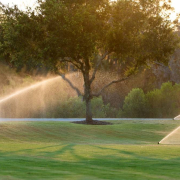
sprinkler heads

The Sprinkler Heads You Should Be Using

The sprinkler heads on your system determine how water hits the ground, how fast it applies, and whether your lawn can actually absorb it before it runs off. Get the head selection wrong and no amount of schedule adjustments will fix the dry spots, puddling, or uneven coverage you’re dealing with.

In Central Texas, that problem shows up fast. Austin’s clay-heavy soil absorbs water slowly, summer heat punishes under-watered turf within days, and your automatic irrigation system is limited to one assigned day per week. A system designed around the wrong head types for your yard conditions burns through that one day without delivering what your lawn needs.

Four head types cover the range of conditions across most Austin yards: gear-driven rotors, fixed spray heads, multi-stream rotary nozzles, and drip emitters. Each one suits a different zone size, soil condition, and plant type. Knowing which one belongs where is the starting point for a system that actually performs.

Start Here: The 4 Head Types Most Austin Yards Need

The four types you’ll encounter in a well-designed Central Texas system are gear-driven rotors, fixed spray heads, multi-stream rotary nozzles, and drip emitters or dripline. Each one is suited to a different part of your yard. Each head type delivers water at a different efficiency rate, and that difference determines whether your yard gets even coverage or ends up with dry spots and runoff.

The table below gives a general sense of when to use each type and what to watch out for.

Head Type Typical Use Strength Watch-Out Good Fit Example
Gear-driven rotor Large turf areas Low precipitation rate, wide coverage Needs longer runtimes Large backyard, open side yard
Fixed spray head Small, defined turf areas Precise coverage, short runtimes Higher runoff risk on clay soil Narrow front strip, small side lawn
Multi-stream rotary nozzle Small-to-medium turf, slopes Slow application, reduces runoff Longer runtimes needed Sloped yard, clay soil areas
Drip emitter / dripline Beds, shrubs, foundations Highly efficient, no overspray Not suitable for turf Flower beds, foundation plantings

Rotors vs Sprays vs Rotary Nozzles: What to Use Where

Rotors are typically the right choice when the irrigated area is large enough to support their wider throw radius and longer runtimes. Texas A&M AgriLife Extension data shows that rotors deliver a half-inch of water in roughly 45 to 60 minutes at about 70% efficiency, while spray heads reach the same depth in 15 to 25 minutes but at only around 50% efficiency. In Central Texas, that lower efficiency from spray heads translates directly into runoff risk, because clay soil absorbs water slowly and a fast application rate delivers more water than it can take in. Austin limits automatic irrigation to one assigned watering day per week. Rotors’ slower, more uniform application makes better use of your one allowed watering day.

Are Rotary Nozzles Better for Runoff and Slopes in Central Texas?

Multi-stream rotary nozzles retrofit onto a standard spray body but apply water in slow, rotating streams rather than a continuous fan. That delivery method gives them a much lower precipitation rate than standard spray nozzles. It’s a practical advantage in Central Texas, where clay soil needs extra time to absorb water before runoff occurs, particularly on slopes or in areas that have dried out and compacted between watering days. Pairing rotary nozzles with a cycle-and-soak schedule reduces puddling further on problem areas. Run the zone in two or three short cycles with rest time in between rather than one long runtime.

Sprinkler Design Mistakes to Avoid

  • Mixing sprays and rotors in the same zone: different precipitation rates make uniform coverage and correct scheduling impossible
  • Uneven head spacing: gaps in head-to-head coverage leave dry spots; overlapping coverage causes overwatering
  • Wrong arc settings: heads pointed at driveways, sidewalks, or streets waste water and may violate local ordinance
  • Overpressure without regulation: too much PSI causes misting and fogging, reducing coverage and wasting water
  • Putting drip and spray heads on the same zone: drastically different flow rates make scheduling unworkable

Brand and Product Families Homeowners Commonly Choose

For large turf areas, use gear-driven rotors from Rain Bird or Hunter Industries. They offer adjustable arc and radius settings and accept interchangeable nozzles to match flow rates across zones.

For smaller, defined turf areas, pair standard pop-up spray bodies with fixed or variable-arc nozzles. Pressure-regulated spray bodies maintain consistent operating pressure regardless of supply fluctuations, which matters in Austin where line pressure can vary. High-efficiency spray nozzles reduce application rate and help manage runoff on tighter sites.

If your yard has slopes or clay-heavy areas where standard sprays cause puddling, use multi-stream rotary nozzles. The Hunter MP Rotator and Rain Bird R-VAN both retrofit onto standard spray bodies and apply water at a significantly slower rate than standard spray nozzles.

For planting beds, foundation plantings, and narrow strips where spray coverage would hit hardscape, use drip. Point-source emitters and inline dripline from Netafim and similar manufacturers deliver water directly to the root zone with minimal evaporation or overspray.

For scheduling, a weather-based smart controller like Rachio integrates with your zone schedule to adjust runtimes based on rainfall, temperature, and soil moisture, helping you stay within your assigned watering day without over- or under-watering.

Design Rules That Matter in Texas: Matched Precipitation Rate and Overspray

Matched precipitation rate means all the heads within a single irrigation zone apply water at the same rate, measured in inches per hour, so every part of the zone receives equal coverage during a single runtime. When rates are mismatched, some areas get too much water while others get too little, and there’s no runtime setting that works correctly for the whole zone. Texas Administrative Code requires matched precipitation rate for all landscape irrigation systems in Texas. Texas A&M AgriLife Extension backs this up with zone design guidance built for Central Texas conditions.

Avoiding overspray onto driveways, sidewalks, and streets is also a requirement.

Here’s how to check your own system against these basics:

  • Run each zone individually and identify which head types are present: spray, rotor, rotary nozzle, or drip
  • Check whether any zone mixes head types with different precipitation rates
  • Watch for misting or fogging, which indicates operating pressure is too high
  • Check for runoff within the first few minutes of a zone running, which suggests the application rate is too fast for your soil
  • Walk the perimeter and adjust any arcs spraying driveways, sidewalks, or streets
  • Note any dry spots that suggest head spacing gaps or misaligned arcs

FAQs About Choosing Sprinkler Heads

What Sprinkler Heads Should I Use to Reduce Runoff in Austin?

Rotary nozzles are the right choice when runoff is a problem in your yard. Their slower application rate gives clay soil more time to absorb water before the next cycle. Texas A&M AgriLife Extension guidance on clay soil absorption supports pairing rotary nozzles with a cycle-and-soak schedule: run the zone in short intervals with rest time in between to reduce puddling on slopes or compacted areas. Austin Water’s conservation resources include a cycle-and-soak runtime calculator. Use it if runoff is a recurring problem in your yard.

Are Pressure-Regulated Spray Heads Worth It?

Yes. Pressure-regulated spray bodies are worth the upgrade in most Austin yards because supply pressure can vary enough from home to home to cause misting. Misting means fine water droplets drift off-target and waste water rather than reaching your lawn. Consistent operating pressure means heads perform as designed, producing the spray pattern and throw radius the nozzle was rated for rather than misting or blowing off-target. Under a one-day-per-week watering schedule, eliminating that misting and overspray means the water you apply goes where your lawn actually needs it.

Talk to a Sprinkler Medics Technician About Your Austin Yard

Matching the right head type to each zone is the difference between a system that covers your lawn and one that wastes your one allowed watering day on runoff and dry spots. In Central Texas, where clay soil, summer heat, and Austin’s weekly watering schedule leave no room for a poorly designed zone, head selection is not a detail to sort out after installation.

If your system has persistent dry spots, puddling before cycles finish, or heads spraying hardscape, the fix usually starts with the heads themselves, not the schedule.

Sprinkler Medics of Austin is a TCEQ-licensed, veteran-owned irrigation company serving Greater Austin, Cedar Park, Round Rock, Georgetown, Pflugerville, and the surrounding area. Ready for reliable irrigation service from a veteran-owned team you can trust? Reach out to Sprinkler Medics of Austin today for a free estimate.
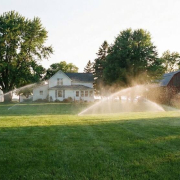
sprinkler system installation cost

How much does it cost to install a sprinkler system?

A sprinkler system installation in Austin typically runs between $4,250 and $6,500 for an average suburban yard, though that number moves in both directions depending on zone count, soil conditions, and the equipment your installer specifies. Knowing what drives the price before you call for quotes helps you compare bids accurately and avoid surprises when the final invoice arrives.

In Central Texas, a few regional factors push costs outside the national averages you’ll find on home improvement websites. Caliche rock and dense clay soil slow trenching. Austin’s one-day-per-week watering schedule means your system needs to be designed efficiently from the start, which affects zone count and equipment selection. Those details show up in your estimate whether or not the contractor explains them.

At Sprinkler Medics of Austin, we are a licensed, insured, veteran-owned team serving Greater Austin, Cedar Park, Round Rock, Georgetown, Pflugerville, and the surrounding area. We offer free estimates, put every scope in writing, and design every system around your specific yard conditions and Austin Water’s current schedule requirements.

Austin Sprinkler System Installation Cost Ranges

In the Austin market, each irrigation zone typically adds $500 to $900 to the total installation cost, depending on which equipment you choose and the complexity of the area it covers. Zone count is the single biggest driver of your overall project price, since every zone means another solenoid valve, more pipe, more wiring, and more labor. In Central Texas, where yards often combine St. Augustine turf with flower beds and native plantings, you may need more zones than a national average would suggest.

Irrigated Area (sq ft) Typical Zone Count Estimated Budget Range Notes
Up to 2,500 2–3 Lower end of range Small lot, simple layout
2,500–5,000 3–5 Mid range Average Austin suburban yard
5,000–10,000 5–8 Mid-to-upper range Larger lots, mixed turf and beds
10,000+ 8+ Upper range and above Custom quote strongly recommended

What Drives the Price in Central Texas (Zones, Yard Size, Pressure, Soil, Equipment)

Several variables affect what you’ll pay for a sprinkler system in Central Texas, and some of them are specific to this region.

  • Zone count is the single biggest driver of total cost. More zones mean more valves, more pipe, more wiring, and more labor.
  • Your yard’s size and layout matter too. Irregular lot shapes, slopes, and multiple irrigated areas add complexity and cost.
  • Your installer will size each zone to your available water pressure. Low pressure or a small meter may require additional pressure-regulation hardware.
  • Soil conditions affect labor time. Rocky caliche or dense clay, both common across Central Texas, can slow trenching considerably.
  • The equipment you choose affects your final number. Smart controllers, high-efficiency rotary nozzles, drip zones for beds, and rain and freeze sensors all improve performance but add to the upfront cost.

Two of those factors deserve a closer look: zone count and soil conditions.

How Many Zones Do I Need for My Yard and Why Does That Change Cost?

Most residential yards in Austin require somewhere between five to eight irrigation zones, though that number depends on the size, variety, and layout of what you’re watering.

Cost Breakdown: Materials, Labor, Permits, and Backflow Protection

A professional sprinkler installation quote in Austin will generally cover several categories of cost, and knowing what each one includes helps you compare bids with confidence. Here’s what you should expect to see.

What Parts Are Included in a Typical Sprinkler Installation Quote?

Your quote will typically include the following components:

  • Your irrigation controller programs which zones water, when, and for how long. Smart controllers like Rachio or Rain Bird can also auto-adjust based on weather.
  • The valve manifold houses each zone’s solenoid valve, which opens and closes water flow to that zone on schedule.
  • Mainline pipe carries water from the source to the manifold; lateral lines branch out from there to each zone’s sprinkler heads.
  • Your installer will select the right heads for each area: pop-up spray heads for turf, gear-driven rotors or rotary nozzles for larger zones, and drip emitters or dripline for planting beds.
  • A rain and freeze sensor prevents the system from running during rain or freezing temperatures. Texas recommends or requires this on every system.
  • A backflow prevention assembly protects your drinking water from contamination. Most Texas water providers require it.
  • Trenching and restoration covers the labor to dig pipe trenches and restore your lawn surface afterward. This is typically the largest labor cost in the project.
  • Low-voltage wiring connects the controller to each zone valve.

Do I Need Backflow Prevention for an Irrigation System in Texas?

Yes, you do. Texas requires a backflow prevention assembly on all landscape irrigation systems to protect the public water supply. When irrigation water flows back into your drinking water lines, it can cause contamination. That’s what a cross-connection is, and it’s why both Austin Water and the state require backflow protection under Texas state rules (30 TAC Chapter 344). The two most common assembly types are a double check assembly (DCA), which works well for most residential installations, and a reduced pressure zone assembly (RPZ), which your water provider requires in certain situations. Your licensed irrigator can confirm which type applies to your property.

Several upgrades can raise an initial quote. Here’s what to expect if you choose to add them.

Upgrade Item What It Does Typical Cost Impact
Smart controller (e.g., Rachio) Automates scheduling, weather-adjusts watering Adds to base controller cost
Drip irrigation conversion for beds Delivers water directly to plant roots, reduces overspray Per-zone add-on
High-efficiency rotary nozzles Reduces runoff, improves coverage uniformity Per-head upcharge
Pressure regulation Protects heads from high-pressure damage Per-zone or whole-system
Additional zones Each zone adds valve, pipe, wiring, and labor Per-zone add-on
Rain and freeze sensor Prevents watering during rain or freeze events One-time add-on

Costs vary by system size, brand, and site conditions. Ask your installer to itemize upgrades separately so you can compare options.

How Austin Watering Rules Can Affect System Design and Cost

Austin’s watering schedule directly shapes how your system should be designed. If your system isn’t built to cover your yard efficiently within your assigned window, you’ll end up with dry spots or the temptation to water outside your schedule.

Can a Smart Controller Help with Austin Watering Schedules?

Given Austin’s one-day limit, a smart controller earns its cost quickly. A device like Rachio adjusts run times based on recent rainfall, current temperatures, and seasonal factors, helping your system make the most of that single window without over- or under-watering. Over time, that efficiency can offset some of the upfront investment through lower water bills. To confirm your assigned watering day and review current schedule rules, visit Austin Water’s website directly.

FAQs About Sprinkler System Installation Costs

What Is the Cheapest Way to Install Lawn Irrigation?

Drip irrigation for planting beds combined with a simple timer-based spray system for turf is often the most budget-friendly starting point. You can also reduce overall project cost by bundling irrigation work with an existing landscaping or sod project, since the ground is already being disturbed. In Texas, full in-ground irrigation installation requires a licensed irrigator under TCEQ rules, so bids that seem unusually low are worth questioning carefully before you commit.

Is It Cheaper to Install Sprinklers During Landscaping or Sod Replacement?

Yes, bundling irrigation installation with an active landscaping or sod project typically reduces the overall cost. When the ground is already being disturbed for grading or sod prep, trenching and restoration become less time-intensive, and you avoid a separate mobilization charge for the irrigation crew. If you’re planning a sod installation or landscape redesign, ask about combining it with irrigation work. Sprinkler Medics handles both, so you can get everything done in a single project without coordinating multiple contractors.

Get a Free Sprinkler Installation Estimate in Austin

Sprinkler system installation in Austin runs between $4,250 and $8,000 for most suburban yards, but the number that matters is the one built around your specific property. Zone count, soil conditions, equipment selection, and how well the system is designed for Austin’s one-day watering schedule all shift that figure in ways a national average cannot account for.

Getting an accurate price means calling a licensed irrigator who will walk your yard, assess your water pressure, and put a written scope in front of you before any work begins. A bid that skips that process is not a comparable estimate.

At Sprinkler Medics of Austin, we are a TCEQ-licensed, veteran-owned irrigation company serving Greater Austin, Cedar Park, Round Rock, Georgetown, Pflugerville, and the surrounding area. Ready for reliable sprinkler installation from a veteran-owned team you can trust? Reach out to Sprinkler Medics of Austin today for a free estimate.

best time to water lawn Austin

Best Time of Day to Water Your Lawn in Austin

Most Austin homeowners focus on how long their sprinklers run. The time of day they run matters just as much. Pick the wrong window and you lose a significant portion of your water to evaporation, increase your lawn’s risk of fungal disease, and potentially run your system outside the hours Austin Water allows.

In Austin, outdoor irrigation is restricted to specific hours on an assigned watering day. That means you cannot simply run your system whenever it is convenient. Your controller needs to be programmed around both the science of when water reaches the root zone most efficiently and the rules that determine when you are legally allowed to run it.

Understanding the right watering window for Central Texas lawns, how Austin Water’s current schedule affects when you can water, and how to set your controller correctly makes the difference between a system that works for your lawn and one that wastes your one allowed day every week.

Why Timing Matters for Austin Lawns

In Austin, when you water matters as much as how much you water. The window you choose affects how much water actually reaches your lawn, how healthy your grass stays through the summer, and whether your system is running legally.

Why Is Early Morning Watering Recommended for Lawns?

Water in the early morning. Cooler temperatures reduce evaporation, lower wind means less spray drift, and more of what you apply actually reaches the root zone. In Austin, that window runs roughly 4 a.m. to 8 a.m., before heat builds and afternoon wind patterns develop across Central Texas.

If your lawn is wet at dawn and dry by noon, you carry significantly lower disease pressure than if it stays wet through the night. Texas A&M AgriLife Extension recommends morning watering as the standard practice for reducing fungal pressure, and in Austin summers, where humidity stays elevated through the night, that recommendation carries real weight.

How Does Heat and Wind Affect Evaporation and Sprinkler Efficiency?

Heat and wind both work against your sprinkler system, just in different ways. Both effects hit hardest in the middle of an Austin summer day, which is exactly why your choice of watering window matters.

As temperatures climb above 85 degrees Fahrenheit, water applied to the surface evaporates before it has time to soak into the root zone. EPA WaterSense puts the loss rate at up to 50 percent of outdoor water use, and midday application in Austin’s summer pushes your system toward that ceiling.

Wind speeds that feel mild while you’re standing in the yard can push a meaningful portion of that water beyond your intended zone, cutting the effective precipitation rate for every minute your system runs. Spray heads and misting nozzles are particularly vulnerable because their droplets are small and light. Early morning, before wind patterns strengthen across Central Texas, gives your spray system its best shot at even coverage.

Austin Watering Hours and Local Rules

Austin Water sets mandatory watering hours and designated watering days for all residential irrigation. Here is what the current rules require.

What Hours Can I Water My Lawn in Austin With Sprinklers?

Per Austin Water, outdoor watering with automatic irrigation systems is permitted during two windows on designated watering days: midnight to 10 a.m. and 7 p.m. to midnight. Set your controller start time so all zones finish before 10 a.m., and add up total run time across every zone before you program the start.

How Do Watering Days Work for Even and Odd Addresses in Austin?

Under active Conservation Stage restrictions, Austin Water limits automatic irrigation systems to one designated day per week: even-numbered addresses water on Thursdays, odd-numbered addresses water on Wednesdays. Hose-end sprinklers and drip irrigation are allowed two days per week. Even addresses water on Thursdays and Sundays; odd addresses water on Wednesdays and Saturdays. Automatic systems are limited to one day. Use Austin Water’s Find Your Watering Day tool to confirm your assigned day.

Do Restrictions Change During Drought Stages or Conservation Stages?

As of September 2025, the city is under Conservation Stage restrictions, and the rules above reflect that current stage. Higher conservation stages can cut your allowed watering days or tighten hours depending on reservoir and aquifer conditions. Before you set or adjust your seasonal controller schedule, check austinwater.org for the current stage. What was compliant last season may not be compliant now. Check before your next watering day rather than assuming your prior programming still holds.

Morning vs Evening Watering: Pros, Cons, and What to Avoid

  Early Morning (midnight–10 a.m.) Evening After 7 p.m.
Evaporation risk Lower Higher than morning, lower than midday
Wind conditions Lower speeds Variable, may be lower than peak afternoon
Disease risk Lower: grass dries during the day Higher: grass stays wet overnight
Grass drying time Dries during peak heat Minimal drying before dawn
Compliance note Austin Water compliant window Austin Water compliant window

Is Watering at Night Bad for Grass in Texas?

Evening watering is allowed under Austin Water’s rules, but it leaves your grass blades wet overnight with no daytime heat to dry them, and that increases fungal disease risk. Prolonged leaf wetness, warm nighttime temperatures, and summer humidity combine to create exactly the conditions brown patch and gray leaf spot thrive in.

If I Can Only Water After 7 p.m., What Should I Do to Reduce Risk?

If you water in the evening, start as early in the 7 p.m. window as you can. Keep run times tight enough to deliver adequate moisture without leaving standing water, and avoid starting a full cycle close to midnight. Starting at 7 p.m. rather than later gives your lawn several additional hours of drying time before temperatures drop and humidity climbs overnight.

Splitting a long zone run into two shorter cycles with a soak interval between them reduces surface saturation and cuts the time your grass stays wet from any single application.

Texas A&M AgriLife identifies bermudagrass and St. Augustine, the two warm-season grasses most common in Austin yards, as particularly susceptible to overnight fungal pressure under warm, humid conditions. If your lawn is primarily St. Augustine, keep a close eye on disease pressure through the summer if you water consistently in the evening. Shift to early morning as soon as your schedule allows; it is the lower-risk approach long term.

How to Set a Watering Schedule That Works for Your Yard

The right window gets water to your lawn efficiently. The right schedule determines whether that water actually does its job once it gets there.

How Long Should I Water in the Morning in Austin?

Your run times depend on head type. Plan on 10 to 15 minutes per zone for spray heads and 25 to 40 minutes for rotor heads to deliver the same moisture depth. If your yard has Central Texas clay soil, you may need shorter individual cycle times with soak intervals between them. In summer, higher evapotranspiration rates mean your total run times will likely need to be longer than in spring or fall. Austin Water’s seasonal watering guides at austinwater.org are your best local starting point for adjusting run times across the year.

What Is the Cycle-and-Soak Method, and When Should Austin Homeowners Use It?

Cycle-and-soak splits a single long zone run into two or more shorter cycles with a rest interval between them, so the first application absorbs before the second one runs. It applies to slopes that produce runoff before the cycle ends and zones with Central Texas clay soil that absorbs water slowly. Any zone where pooling or runoff onto hardscape is visible during a normal cycle also benefits from this approach. Most modern controllers support this through a cycle-and-soak or multiple-start-time setting; no additional hardware needed.

How Can I Tell if My Lawn Actually Needs Watering Today?

Two quick checks will tell you whether your lawn actually needs water before you run a cycle. The first is the footprint test: if the grass stays flattened after you walk on it, it is showing drought stress. The second: push a screwdriver or soil probe 4 to 6 inches into the ground. Resistance means the soil is dry enough to water.

If you see soggy spots, mushroom growth, or runoff to the sidewalk during a normal cycle, your schedule is running too long or too frequently. Cut your run time before the next watering day.

How to Pick Your Start Time on Your Watering Day

  • Check your wind and temperature forecasts before setting your start time: aim for 4 a.m. to 6 a.m. to maximize the low-evaporation, low-wind advantage; if winds are expected to exceed 10 to 15 mph during your planned window, shift to the earliest available start time.
  • Walk your shaded and full-sun zones separately before setting run times: shaded zones typically need less water than zones in full Central Texas summer sun.
  • Check your slope zones for runoff signs from the previous cycle: if the curb or driveway still shows residual moisture from the last watering, the previous run time may be too long or the zone may need cycle-and-soak programming.
  • Confirm your controller start time allows all zones to complete before 10 a.m.: add up total run time across all zones and set the start time accordingly.
  • Check the rain forecast before running a full cycle: if measurable rainfall is expected within 24 hours, skip the cycle or use a rain sensor or weather-based controller to handle it automatically.

Faq

What Is the Best Time to Run Sprinklers in Austin if I Want to Stay Compliant?

Program your controller to start between 4 a.m. and 6 a.m. on your assigned watering day and all your zones stay within Austin Water’s allowed window. Confirm your assigned day using Austin Water’s Find Your Watering Day tool, add up your total zone run time, and set your start time so everything finishes before 10 a.m. A correctly programmed controller is the most reliable way to stay compliant without babysitting your system every week.

Can I Water My Lawn Every Day in Austin?

Austin Water’s current mandatory schedule does not allow daily lawn watering. Under active Conservation Stage restrictions, automatic irrigation systems are limited to one designated day per week. One deep watering per week on your assigned day does more for your lawn than daily shallow applications anyway. Texas A&M AgriLife notes that frequent shallow watering encourages shallow roots that are more vulnerable to summer heat stress, the opposite of what your lawn needs heading into July and August. A weather-based controller or rain sensor helps you make the most of your one allowed watering day by skipping cycles after rainfall and adjusting run times automatically.

If your lawn is still showing dry spots or runoff after adjusting your schedule, the issue is often in the system itself, whether that is head placement, zone design, or pressure. Sprinkler Medics of Austin can help you find it.

Set Your Controller Right and Get More From Your One Watering Day

Watering between 4 a.m. and 8 a.m. on your assigned day gives your lawn the best chance of absorbing what your system applies. It reduces evaporation, limits fungal pressure, and keeps your controller within Austin Water’s allowed hours. Evening watering is compliant, but it leaves grass wet overnight through a Central Texas summer, and that is a consistent recipe for brown patch and gray leaf spot.

If your schedule is correctly programmed and your lawn is still showing dry spots or runoff, the problem is usually in the system itself — head type, zone design, or pressure — not the timing.

Sprinkler Medics of Austin is a TCEQ-licensed, veteran-owned irrigation company serving Greater Austin, Cedar Park, Round Rock, Georgetown, Pflugerville, Leander, Hutto, and Manor. Ready for reliable irrigation service from a veteran-owned team you can trust? Reach out to Sprinkler Medics of Austin today for a free estimate.